
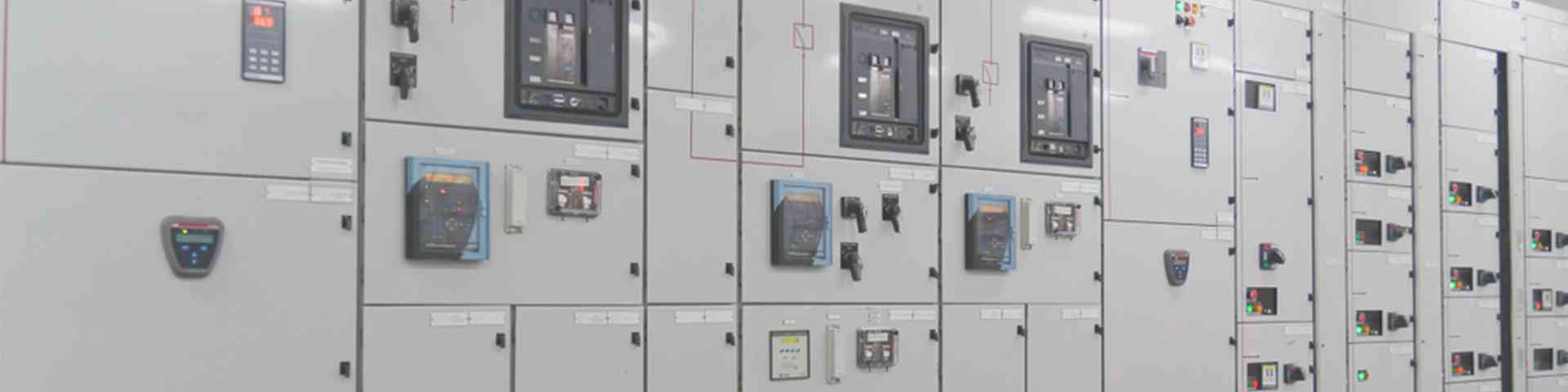
Nextgen Power Controls is a manufacturer and supplier of electrical control panel solutions, offering Three-Phase Solar ACDB panels for commercial and industrial solar power installations. A Three-Phase Solar ACDB (Alternating Current Distribution Box) is designed to provide a centralized point for connecting the AC output of a solar inverter to the downstream electrical distribution system, with suitable switching and protection devices.
Our solar ACDB solutions can be configured according to project requirements, inverter output, current rating, installation conditions, and applicable electrical standards. These panels help organize AC power distribution, support electrical isolation, and provide protection against specified electrical faults when designed with appropriate protective components. Whether for commercial rooftop solar projects or industrial solar installations, selecting the right ACDB configuration is important for safe and reliable system operation.
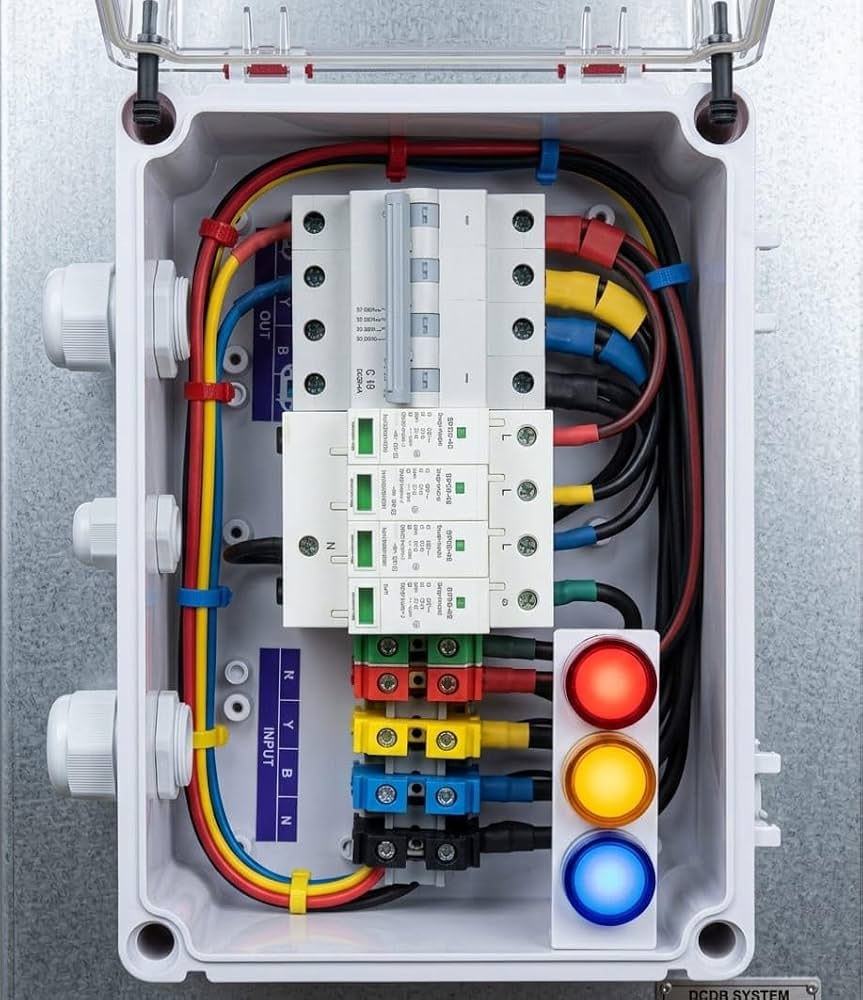
A Three-Phase Solar ACDB is an electrical distribution panel used on the AC side of a solar photovoltaic system. It connects the output of a three-phase solar inverter to the relevant distribution network and houses suitable switching, isolation, and protective devices.
The ACDB provides a centralized location for managing the inverter's AC output and helps protect connected circuits against specified electrical faults. Depending on the system design, it may include miniature circuit breakers (MCBs), moulded case circuit breakers (MCCBs), surge protection devices (SPDs), isolators, busbars, and other accessories.
A Three-Phase Solar ACDB operates between the solar inverter's AC output and the downstream electrical distribution system. The solar inverter converts the DC electricity generated by photovoltaic modules into AC electricity suitable for the connected system.
The general operating process involves the following steps:
The exact arrangement depends on the inverter, electrical installation, protection coordination, and project requirements.
Three-Phase Solar AC Distribution Box
Solar PV AC-side power distribution
As per inverter output and project design
Selected according to inverter output current and design requirements
Single or multiple inverter inputs, depending on configuration
MCB/MCCB, isolator, and other specified devices
SPD where required by the system design
As required by the connected electrical system
Suitable metal or other approved enclosure material
Selected according to indoor or outdoor installation conditions
Designed for the specified current and fault requirements
Wall-mounted, floor-mounted, or other suitable arrangement
Every solar installation has different electrical and environmental requirements. Nextgen Power Controls can assess project requirements to determine a suitable Three-Phase Solar ACDB configuration. Customization considerations may include inverter output voltage, rated current, number of inverter inputs, breaker selection, surge protection requirements, busbar design, cable entry arrangements, enclosure dimensions, mounting type, and indoor or outdoor installation.
The panel design should also consider available fault current, protection coordination, temperature conditions, accessibility for maintenance, and applicable electrical standards. Customers should share the inverter datasheet, single-line diagram, system capacity, installation location, and any project-specific specifications when requesting a quotation. Selecting a suitably designed ACDB helps support reliable power distribution and convenient maintenance throughout the solar installation's service life.
Get a free consultation and a quote built around your actual load, fault level and site conditions.
Established as a company in the year 2014, "Nextgen Power Controls" is an eminent manufacturer, supplier and trader of a comprehensive assortment of electrical control panel, power distribution panel, apfc panel, amf panel, mcc panel, aabbreviation panel, abbreviation control panel, motor starter panel, and dg sync panels, etc.
Read MoreMade with and passion by Ads India.